







Common Signs of a Failing Actuator
A car actuator is an electric or vacuum-controlled component that moves or adjusts mechanical systems within your vehicle. From the HVAC system to power locks and advanced drivetrain functions, actuators play a crucial role in modern Chrysler, Dodge, Jeep, and Ram vehicles. Proper actuator performance ensures comfort features work as expected, drivability remains smooth, and critical systems like 4WD engage reliably.
Actuator issues can be easily mistaken for electrical or HVAC problems, so knowing the signs is essential for timely repairs.
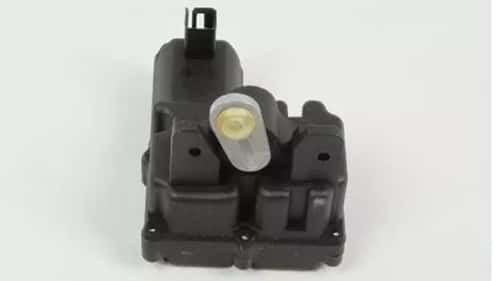
Types of Actuators in CDJR Vehicles
CDJR models utilize several types of actuators, each responsible for a vital function. Here are some for example:
- HVAC blend door actuators: Manage temperature and airflow inside the cabin.
- Door lock actuators: Activate or release power locking systems on doors and tailgates.
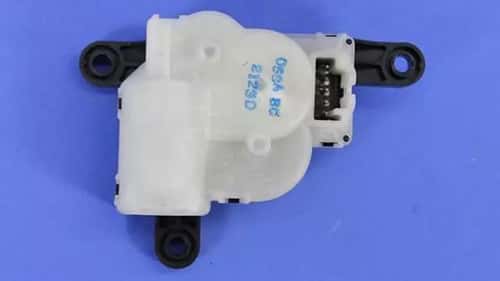
- Transfer case actuators: Control engagement and shifting of 4WD modes in Jeep and Ram trucks.
- Electronic throttle actuators: Regulate throttle opening for smooth acceleration in modern drive-by-wire systems.
Each actuator serves a different system, so symptoms can vary widely depending on which unit is failing. Awareness of these types helps pinpoint issues more efficiently, ensuring accurate service and reliable repairs across CDJR cars, trucks, and SUVs.
Common Signs of a Failing Actuator
Identifying a failing actuator early can save on costly repairs. Watch for these common symptoms:
- Clicking or ticking noises behind the dashboard or inside doors, often when adjusting temperature or locking/unlocking doors.
- Air blowing at the wrong temperature or airflow stuck on hot/cold—classic signs of HVAC blend door actuator issues.
- Weak or inconsistent airflow direction control, such as inability to switch between defrost and face vents.
- Power door locks that do not respond, work sporadically, or get stuck.
- Difficulty engaging, disengaging, or switching 4WD modes, especially in Jeep and Ram vehicles.
- Dashboard warning lights indicating possible system malfunctions.
Lifespan & When to Replace
Most actuators are designed to last several years, depending on use and local driving conditions. In Georgia, heat and humidity can accelerate wear on both electronic and vacuum-controlled actuators, sometimes causing premature failure. The urgency to replace an actuator depends on the system affected:
- HVAC blend door actuators may cause inconvenience and discomfort, and unresolved issues can eventually lead to further HVAC damage.
- 4WD or drivetrain actuators present higher urgency, as they can directly impact vehicle safety and off-road/drivability performance.
Whenever you detect odd noises, inconsistent function, or system warnings, it’s smart to schedule a professional diagnosis at the earliest sign. Prompt service prevents cascading electrical faults or system failures.
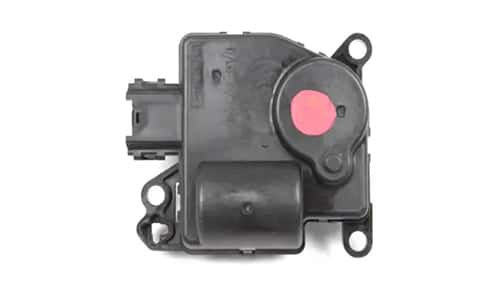
Actuator Replacement Cost
Actuator replacement costs can vary:
- HVAC and door lock actuators are commonly in the range of $150 to $600, depending on the location of the unit and labor required.
- 4WD and transfer case actuators tend to cost more, with price fluctuating depending on your CDJR model and system complexity.
OEM diagnostics and correct calibration are critical. That’s why Milledgeville CDJR offers distinctive benefits:
- Certified CDJR technicians experienced with the latest models
- Access to original OEM parts for precise fit and long-term reliability
- Accurate, model-specific diagnostics to uncover any related system issues
For drivers in Milledgeville, Eatonton, and Gray local convenience and factory-trained expertise mean peace of mind and quicker turnaround times.
Schedule Actuator Service Today
If you’re noticing unusual noises, temperature control issues, or power lock problems, now is the right time to schedule a diagnostic appointment at Milledgeville CDJR.
Stay comfortable and secure—book your actuator service with a certified team today.
0 comment(s) so far on Common Signs of a Failing Actuator